

Introducing: Oumou Aidara
Welcome to CCC Introduces, our series spotlighting the incredible contributors who give their time and energy to Cycling Culture Club.
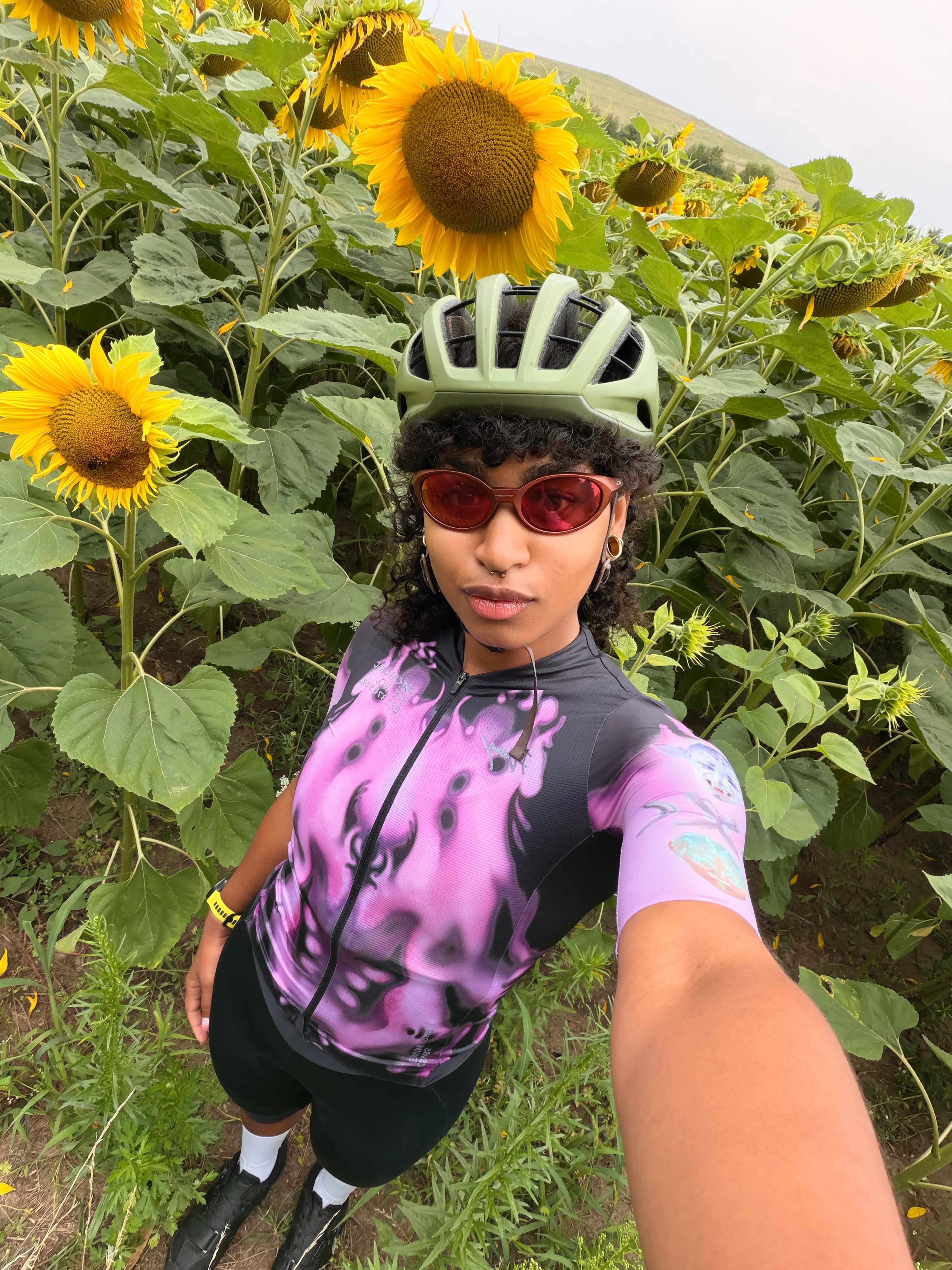
Today we head to Berlin, meeting Oumou Aidara. Endurance athlete, creative, founder of Sport Is For Everyone, and someone who learned to ride a bike at 26 after being left out of a 420km ultra relay because she couldn't cycle alongside her teammates. She fixed that. Then a whole new world opened up.
Follow Oumou on Instagram: @oumou.tri
Words: Oumou Aidara
Tell us about yourself
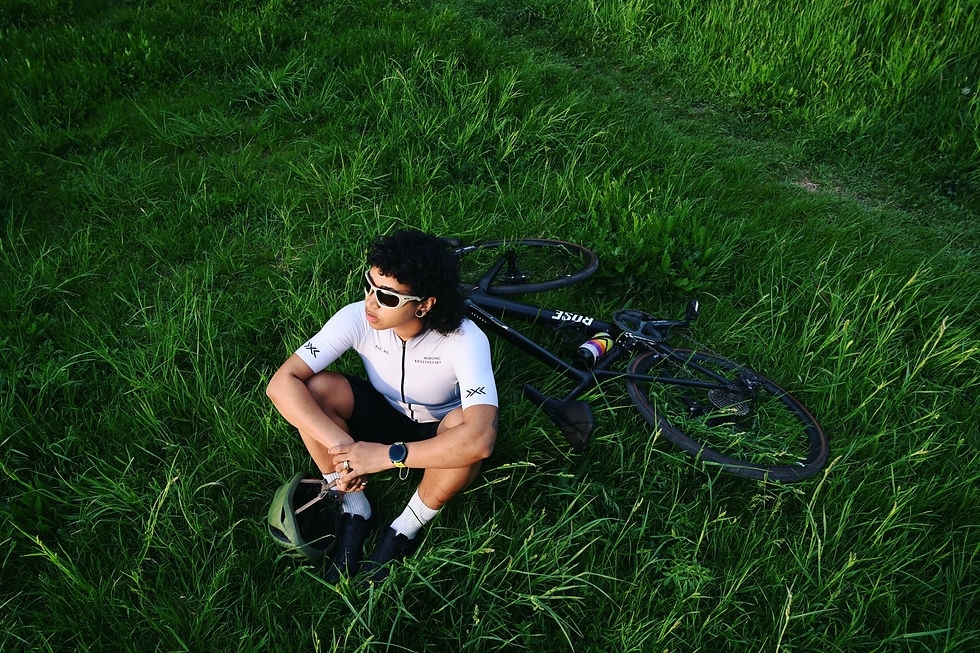
I'm Oumou Aidara, an endurance athlete and a Berlin-based creative.
I'm the founder of Sport Is For Everyone and I move between being in front of the camera and building the communities and strategy behind it. My work is grounded in lived experience, not observed from the outside. Right now I'm training for my first Ironman.
What do you love about cycling?
I love going fast. It's incredible. I find it so freeing: how far I can go, how quickly I can move, how easy it is to get from A to B, how fun it is to say yes to a spontaneous weekend trip by bike.
Cycling has given me so much physical agency. It changed my relationship with being outside, because I can now have adventures that would be impossible on foot. It's my strongest bond with the wind. I rarely feel it as fully against my body as when I'm in the saddle.
I've built friendships that changed my life, all grounded in a shared love of riding. In a single word, it gives me freedom.

What barriers have you faced in cycling?
For a long time, without realising it, I lacked exposure, infrastructure and money. I learned to ride a bike at 26. Growing up in Senegal, cycling was outside my world. It wasn't even a common way to get around, and most people on bikes were those socialised as men. If a bike was given as a gift in the family, it was obviously for the boys.
After I started running marathons, I slowly began to dream of triathlon, even though I couldn't sit straight on a bike. Then I ran a 420km ultra relay from Cologne to Strasbourg. We ran in pairs: one person ran 5km while their partner cycled alongside for support. Everyone took turns running and riding. I was the only one who couldn't ride, so I couldn't support anyone else.
Back home, I swore I would learn, and I did. A whole new world opened up. But so did the elitism and the other joy-stealing parts of cycling culture. The worst was feeling unwelcome. That's what I want to change, by finding and celebrating communities where people and stories from all walks of life belong.

Why were you interested in contributing?
Storytelling is one of the oldest ways humans connect, and I want to tell stories. But what's the point of talking if no one is listening? I want to host, exchange and hear other people's stories too.
I'm from Dakar, based in Germany, and I speak several languages and work across many disciplines. That mix shapes how I see the world and move through it. It makes me confident that I can bring new perspectives to cycling, and help make it a more welcoming place for people from all over the world.

If you're comfortable, tell us about your personal experience of diversity in cycling
In the mainstream cycling scene where I live, I see very little diversity: not in gender, not in bodies, not in pace. Everything seems built on a one-size-fits-all model, and it's disheartening to see.
What gives me hope are the communities building something different. FLINTA and queer-led rides, groups where every pace is welcome, spaces made by us, for us. That's where I've found my place on the bike, and that's what I want more people to see.

Your fondest memory on the bike
My first bike was my road bike. I bought it in summer, but it only arrived in December. I'd already bought my clip-in shoes months before. Despite the cold, I fitted my pedals, dressed warmly and went to Tempelhofer Feld, Berlin's old airport, now a park and honestly a cycling heaven. I found a tree and stood beside it, one hand always on the trunk, clipping in and out for what felt like two hours.
I went home, changed, and came back out in my long running leggings and a warm jacket that looked sporty enough. Then I went on my first real ride. Nothing fit perfectly, and no one more experienced had checked whether every bolt was tight. But I felt safe, and proud of myself, because I was finally doing it.
Where are you from: Dakar, Senegal
Where do you live: Berlin, Germany


Comments